
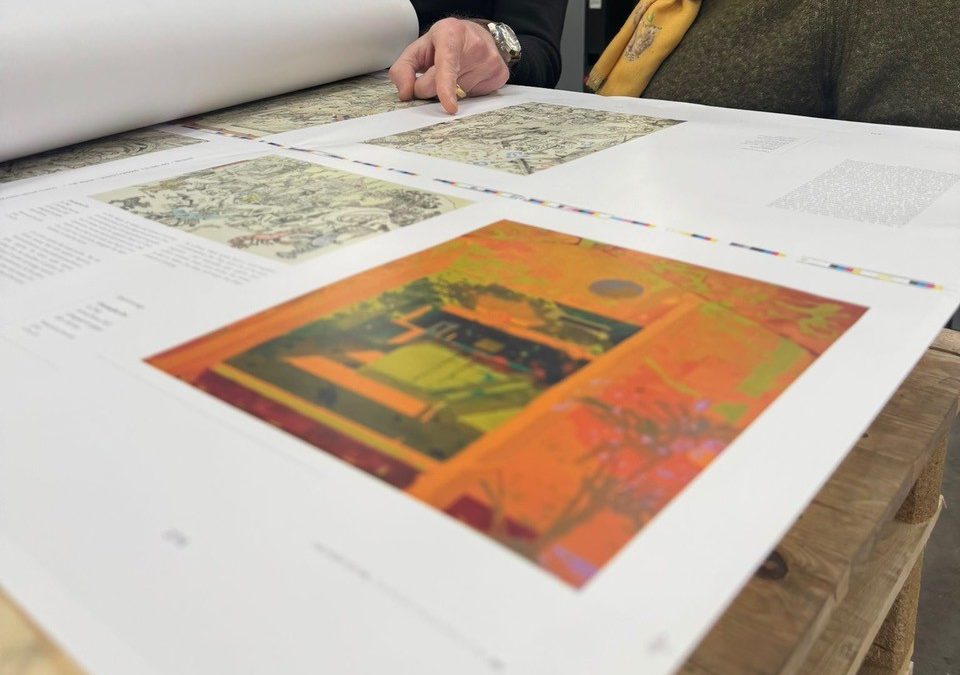
Launching a new exhibition is about more than simply hanging artwork on the walls. It’s an opportunity to tell a story, build a connection with visitors, and create lasting value for both the gallery and artists involved. While digital promotion plays an important part, many galleries are rediscovering the power of high-quality printed materials, particularly well-produced brochures and exhibition books.
A thoughtfully designed printed publication can transform how visitors experience an exhibition. Rather than being a simple guide, it becomes an extension of the show itself. Through artist statements, curatorial insights, and high-quality reproductions of the work, a printed brochure or book provides context that deepens understanding and engagement.
For visitors, this added layer of storytelling can make the exhibition more memorable. Art often resonates more strongly when people understand the background behind it and why it was created. A well-produced brochure allows galleries to communicate this narrative clearly and for visitors who take home a brochure or book, they effectively carry a piece of the exhibition with them, continuing the conversation and sharing it with others.
Printed publications also extend the life of the exhibition long after it closes. While digital images and social posts may disappear into a feed, a printed book remains on shelves, coffee shops, and in local businesses, helping to draw new visitors on an ongoing basis.
From a commercial perspective, printed materials can also support galleries and artists in several practical ways.
Firstly, they can generate an additional revenue stream. Many galleries offer exhibition catalogues or books for sale during the show. For visitors who connect with the artwork but may not be in a position to purchase an original piece, a high-quality catalogue offers an accessible way to support the artists and the gallery.
Secondly, they help position the exhibition and the gallery more professionally. A premium printed book signals that an exhibition has been carefully curated and documented. For collectors, critics, and institutions, this level of presentation can reinforce the significance of the work on display.
Printed catalogues also provide lasting documentation of an exhibition. For artists, this can be incredibly valuable. Having their work professionally reproduced in a printed publication gives them a tangible record they can include in portfolios, applications, and future opportunities. For galleries, it helps build an archive of past exhibitions that reflects the development of their programme over time.
In some cases, exhibition publications can even become historical records of a local artistic community. When an exhibition captures the work of multiple artists within a region or movement, a printed book can document that moment in time for future audiences.
We recently saw this first-hand while producing a nearly 300-page exhibition book celebrating 80 years of art in the Rugby and Northamptonshire area. The publication didn’t just accompany the exhibition, it became a comprehensive record of the artists, styles, and cultural history as well as celebrating the local art over several decades.
Projects like this demonstrate the unique role printed publications can play. They preserve stories that might otherwise be lost and provide visitors with something meaningful to take away from the experience.
For galleries planning exhibitions in 2026 and beyond, printed brochures and books remain one of the most effective ways to enhance visitor engagement, support artists, and create long-term value. When thoughtfully designed and carefully produced, they become a key resource for the short and longer-term success of the exhibition.
Find out more about our printed work with galleries and artists below: